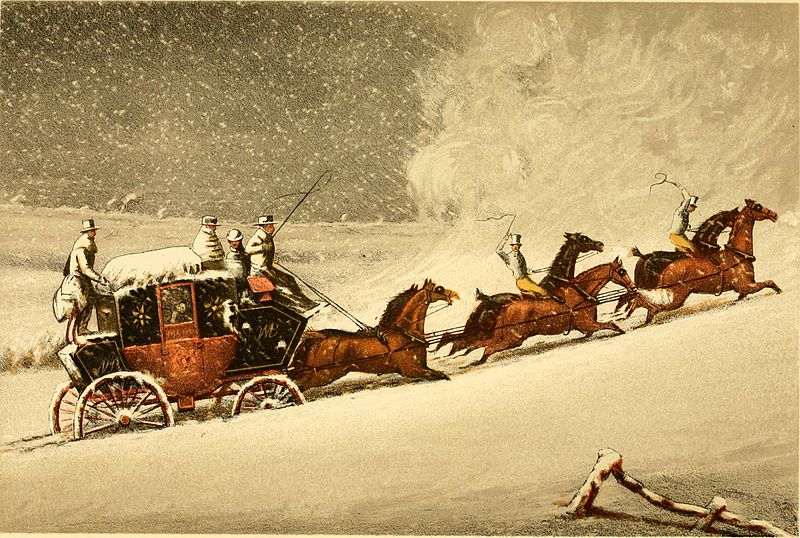
Everywhere I look, I see predictions of record cold, windchill, snow and ice. Even in Florida, it’s grey and overcast, rainy and damp. It’s been weeks since the Winter Solstice on December 21, and it seems forever until the Spring Solstice on March 20. However, a bright spot is coming…
On February 2, which is this Saturday, we will celebrate Candlemas. This holiday marks the half-way point between the Winter Solstice and the Spring Solstice. The Christian holiday celebrates the Purification of the Virgin Mary (a ritual of cleansing done 40 days after the birth of a child) which followed the Presentation of the infant Jesus in the temple. In celebration of this holiday, new candles are blessed and and set up in church. Blessed candles are distributed and processions carry them into the church. Ideally, the candles should be beeswax. As candles lightened the darkness in earlier times, they came to symbolize Jesus Christ as the light of the world, which is celebrated in this procession. People celebrate at home by putting candles in the windows.
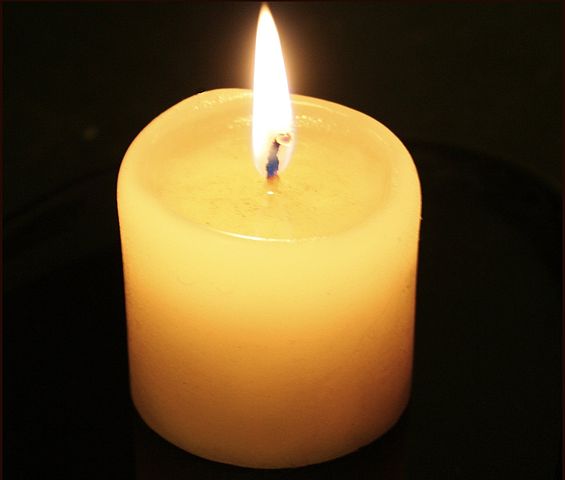
A festival of lights, it is not surprising that aspects of Candlemas have its roots in earlier, pre-Christian times. Marking the mid-way point of winter when nights were still very long and very dark, people would light candles to frighten evil spirits away. The Romans also had a mid-winter festival which was called the Amburbium (or Amburbale), which involved a lighted procession around the city to purify it. (Their festival may have included sacrifices.)
Weather was a big concern in earlier times, specifically how much longer the cold would last, and had a bearing on the mid-winter celebration. It was not uncommon for bears or wolves to stir from their dens in mid-winter. If the animal returned, it meant the cold winter weather would continue for at least another forty days. (In the US, we celebrate Groundhog’s Day on February 2 as a variation of this tradition.)
However we celebrate, the coming of February 2 with its warm candlelight reminds us that winter is approaching its end and spring is coming.
Sources:
SacredTexts.com Miles, Clement A. CHRISTMAS IN RITUAL AND TRADITION. (1912) Chapter XVI. “Epiphany to Candlemas.” HERE
Newadvent.org Catholic Encyclopedia. “Candlemas.” Kevin Knight Copyright (c) 2017. HERE
BBC.Co.UK RELIGIONS. “Candlemas.” Last updated 2009-06-16. HERE
ProjectBritain.com “Candlemas Day (the Christian festival of lights).” Mandy Barrow Copyright (c) 2013. HERE
Wikipedia.com “Amburbium”. HERE
Illustrations from Wikimedia Commons:
Annals of the road : or, Notes on mail and stage coaching in Great Britain, 1876. HERE (No known copyright restrictions.)
Photograph of a candle – version without reflection, HERE (Public domain)